
Achy or restless legs at night can have several causes. Restless legs syndrome (RLS) has a particular pattern: an urge to move the legs that begins or worsens during rest, improves temporarily with movement, and is usually worse in the evening or at night. A nighttime leg cramp, skin discomfort, or pain from another condition may feel different and need different care. A leg cream can make a massage more comfortable, but it has not been shown to diagnose or treat RLS.
How can you tell whether it may be restless legs syndrome?
The National Institute of Neurological Disorders and Stroke (NINDS) describes an urge to move that appears after sitting or lying down and is temporarily relieved by walking or moving the legs. Symptoms often disrupt sleep. A sudden, painful muscle contraction is more typical of a leg cramp. Nerve symptoms and other conditions can also resemble RLS, so the pattern is more useful than the word “restless” alone.
What may contribute to RLS?
RLS can occur without one clear cause. Low iron stores, pregnancy, kidney disease, certain medicines, and other health conditions can contribute. A clinician may review symptoms, medicines, and iron tests, including ferritin and transferrin saturation. The American Academy of Sleep Medicine’s provider summary emphasizes checking iron status and ruling out conditions that mimic RLS. Do not start iron supplements just because your legs feel restless; too much iron can be harmful and the right approach depends on test results.
What can you try for mild nighttime symptoms?
- Move gently. Walking or stretching during symptoms may give temporary relief.
- Keep a regular sleep schedule. Aim for consistent sleep and wake times.
- Consider a warm bath, heat, or a gentle leg massage. These comfort measures may help some people, but they do not address an underlying iron problem or other cause.
- Review caffeine, alcohol, and nicotine. These can worsen symptoms for some people. The NHS RLS guide suggests limiting caffeine later in the day and avoiding strenuous exercise close to bedtime.
- Review medications with your prescriber. Some medicines can worsen RLS symptoms; do not stop a prescription on your own.
These steps are reasonable comfort measures, but they are not guaranteed to control RLS. When symptoms keep you awake or affect daily life, a clinician can assess the cause and discuss evidence-based treatments.
Where does a leg cream fit?
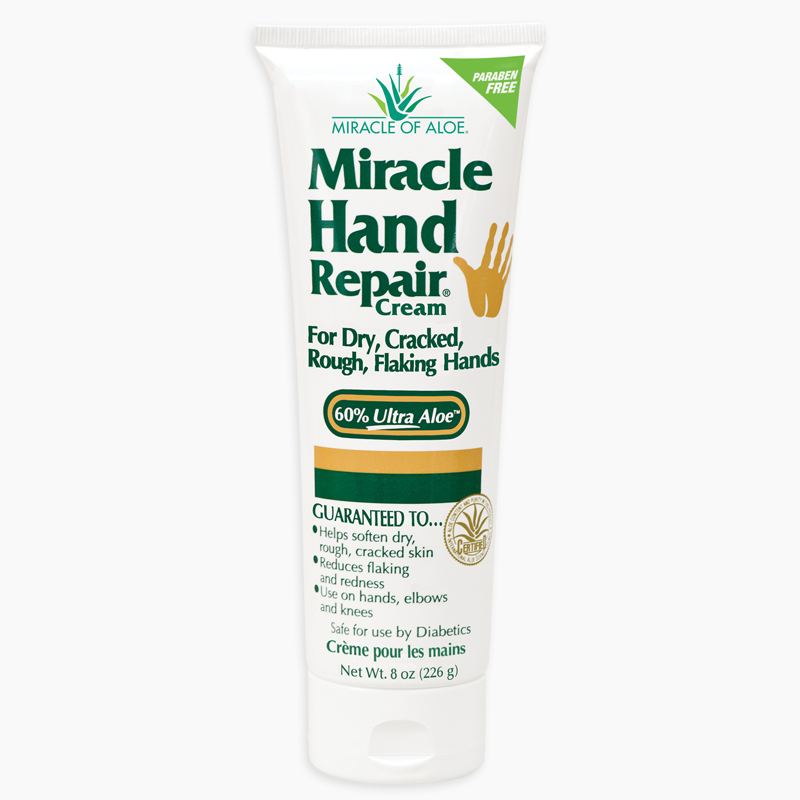
A cream may provide slip and skin moisture during a gentle massage. Miracle of Aloe’s Miracle Leg Calming Cream is a topical product some customers may choose for that routine. The evidence cited here supports massage as a possible comfort measure; it does not establish that this cream treats the neurological disorder RLS, corrects iron deficiency, or prevents sleep disruption. Read its ingredients and directions, and stop if the skin becomes irritated.
The earlier version of this article said a leg cream relaxes the nervous system, relieves nighttime cramps, is free of medication interactions, and improves sleep. Those effects were not supported by clinical testing of this cream. People taking medicines or managing a health condition should ask a healthcare professional about any concerns.
When should you seek care?
Talk to a clinician when symptoms repeatedly interrupt sleep, affect your mood or daytime function, or do not improve with simple changes. Assessment is also useful when you are unsure whether you have RLS, cramps, neuropathy, or another cause of leg pain. If a leg becomes suddenly swollen, discolored, or very painful, seek prompt medical evaluation instead of treating it as routine restlessness; the NHS describes these as possible blood-clot symptoms.
Frequently asked questions about restless legs
Is every achy leg at night RLS?
No. RLS is defined by the urge to move, worsening during rest, temporary relief with movement, and an evening or nighttime pattern. Cramps, nerve symptoms, and other conditions can overlap.
Can massage help restless legs?
Gentle leg massage is one of several comfort measures listed by NINDS and the NHS. It may help some people temporarily, but persistent symptoms still warrant assessment.
Can a leg cream cure RLS?
No clinical evidence cited here shows that a leg cream cures RLS. A cream can be used during massage or to moisturize skin, but it is not a substitute for evaluating iron status, medicines, or other contributors.
Should I take iron for restless legs?
Ask a clinician about appropriate iron testing first. Iron treatment may help when iron stores are low, but the dose and form should be based on individual results and medical advice.